Tsavo National Park

About This Destination

Tsavo National Park is renowned for its expansive open landscapes, sculpted volcanic features, and robust populations of elephants, big cats, and dryland wildlife. It offers a spacious, uncluttered safari experience that feels distinctly different from Kenya’s northern and southern circuits.

The mood across the park is steady and elemental: muted red soils, long horizons, and quiet stretches of wilderness broken by seasonal rivers, lava flows, and broad plains. Light shifts gently throughout the day, creating a calm rhythm that travellers appreciate for its sense of space and uninterrupted scenery.

Geographically, Tsavo is divided into Tsavo East and Tsavo West. The East is defined by vast plains and the Galana River, while the West is known for its hills, springs, and ancient volcanic formations. Both areas share the same raw, expansive character.

Tsavo suits couples seeking quiet safaris, families wanting open landscapes, first-time safari goers needing accessibility, and repeat travellers who enjoy slower, grounded journeys. Travellers choose it for its scale, diversity of habitats, reliable wildlife sightings, and smooth connections to both Nairobi and the Kenyan coast.

Why Visit

Tsavo stands out for its sense of scale and variety. Tsavo East offers broad, uncluttered plains and long-distance views, while Tsavo West provides a more textured landscape with freshwater springs and ancient lava fields. This diversity creates a safari experience that balances wilderness with comfort and accessibility.

Travellers consistently appreciate Tsavo for its open feel, smooth road and SGR access, varied lodge options, and the ease of combining it with coastal stays. The park’s size naturally spreads visitors, keeping sightings relaxed even during busier seasons.

Key Experiences

  • Watching large elephant herds along the Galana River in Tsavo East
  • Exploring Mzima Springs and its clear pools fed by underground flows
  • Viewing rhinos at the Ngulia Rhino Sanctuary in Tsavo West
  • Observing dryland specialists such as fringe-eared oryx and gerenuk
  • Enjoying the quiet rhythm of wide landscapes and red-toned terrain
priska-klossner-ytgA1im0XKg-unsplash

Best Time to Visit

Tsavo is a rewarding year-round destination, with each season offering a distinct rhythm.

The dry seasons (June to October and January to February) bring clear views, shorter grass, and concentrated wildlife around water sources. These months suit travellers prioritising predictability, strong sightings, and steady driving conditions. Lodge rates and guest numbers are highest during this period.

The green season (March to May and November) offers softer landscapes, richer colours, and quieter days in the park. Occasional showers occur, but mornings are often bright, birdlife is excellent, and young animals are common. Mid-range travellers appreciate the value and added sense of space.

Choose the season based on travel style: photographers favour the mood and colour of the green months, families often prefer the stability of the dry season, and travellers seeking tranquillity enjoy the shoulder periods. Across all months, Tsavo’s landscapes and steady wildlife make it consistently rewarding.

Wildlife & Nature

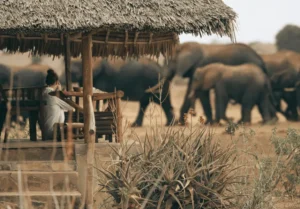
Tsavo’s wildlife reflects its dryland ecosystem and vast terrain. Elephants are a defining feature, often coated in the park’s red soils and frequently seen along the Galana River or near the springs of Tsavo West.

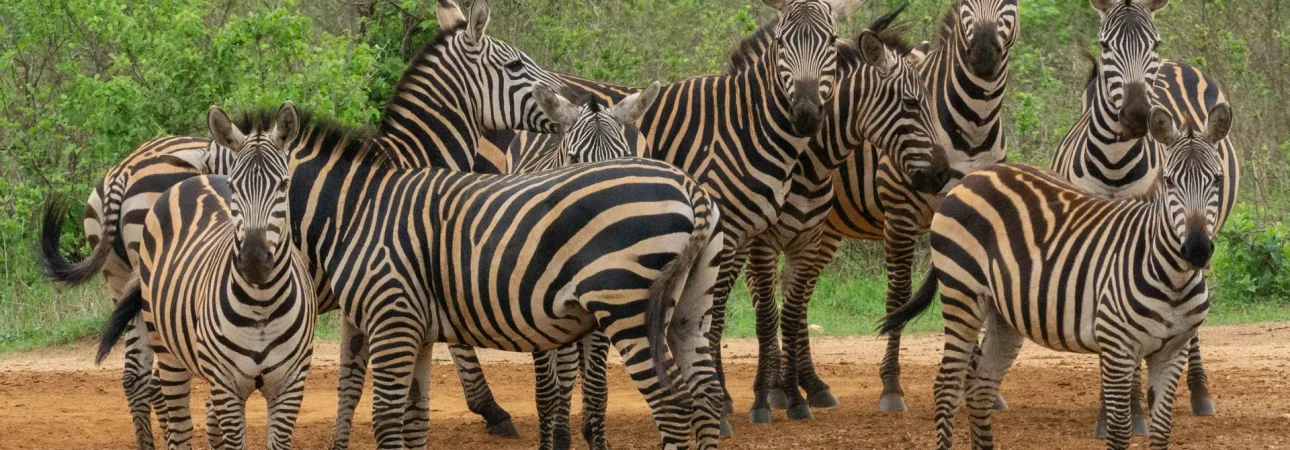
Lions, cheetahs, and occasional leopards use open plains and rocky outcrops for hunting and shade, while buffalo, zebra, and giraffe are common across both sectors.

Dryland specialists add distinct character, including fringe-eared oryx, gerenuk, lesser kudu, and, in some areas, large eland herds. In Tsavo West, the Ngulia Rhino Sanctuary provides a protected environment for black rhinos. Birdlife is diverse, with raptors, dry-country species, and waterbirds around the springs.

Seasonal patterns shape the experience. Dry months improve visibility and waterhole activity, while green seasons bring thicker vegetation, young animals, and strong birding.

Local Culture Community & Conservation

Tsavo’s surrounding communities include the Taita, Taveta, and Kamba, whose livelihoods and heritage are closely tied to the land. Cultural experiences, when offered, are arranged directly with local residents and remain optional and respectful, sharing daily life without presenting culture as entertainment.

Conservation focuses on landscape protection and wildlife corridors. Kenya Wildlife Service manages the park, while neighbouring conservancies and community lands support habitat continuity. Initiatives such as the Ngulia Rhino Sanctuary strengthen protection for threatened species. Travellers contribute through park fees, responsible operator choices, and stays at lodges that employ local staff or follow low-impact practices.

Getting There

Tsavo is one of Kenya’s most accessible national parks. By road, Tsavo East is reached in approximately 4–5 hours from Nairobi or Mombasa, depending on the gate used. This makes it ideal for safari-and-coast combinations.

Scheduled flights operate to airstrips in both parks, offering faster access. The SGR train is another practical option, with stations at Voi and Mtito Andei followed by short road transfers. Transfers are arranged with experienced guides or trusted partners for a smooth journey.

Signature Experiences & Activities

Elephant Along the Galana River

Large herds gather along the riverbanks, especially during dry months, offering steady, natural encounters.

Exploring Mzima Springs

Clear, spring-fed pools in Tsavo West create a striking contrast to the surrounding dry country.

Shetani Lava Flow

A vast black volcanic field shaped by ancient eruptions, offering dramatic geological scenery.

Ngulia Rhino Sanctuary

A managed conservation area providing a structured opportunity to observe black rhinos within a protected landscape.

Scenic Hill Drives in Tsavo West

The Chyulu and Ngulia Hills offer elevated views across volcanic terrain and spring-fed valleys.

Birding Across Contrasting Habitats

From dryland species to waterbirds near springs, Tsavo suits both casual birders and specialists.

  • Big Five
  • Bird Watching
  • Cultural Activities
  • Forest Experience
  • Hot-Air Balloon
  • Scenic Landscapes

Where To Stay

Practical Travel Tips

  • Early mornings and late afternoons offer the best light and wildlife activity
  • Carry a light layer for cooler mornings, especially in Tsavo West
  • Neutral colours are ideal for game drives
  • Roads are generally steady; expect longer but relaxed drives
  • Wi-Fi is available at most lodges but may be limited in remote areas
  • Cards are widely accepted; carry some cash for small purchases
  • Families should check child policies at individual camps

Who This Destination Suits

  • Couples seeking spacious, quiet landscapes
  • Families wanting accessible wildlife areas and reliable road links
  • First-time safari goers seeking steady sightings and smooth logistics
  • Photographers drawn to wide views, red soils, and varied terrain
  • Travellers combining safari with a Coast stay
  • Guests who prefer relaxed days over intense sighting-driven safaris

Itinerary Combinations

Frequently Asked Questions

Two to three nights per sector works well; combining East and West adds variety.
Yes, especially mid-range lodges with pools and family-friendly activities.
Sightings are shaped by the park’s scale; expect natural, unhurried encounters.
Yes, excellent road and SGR links make this easy.
info@johnbowtoursandtravel.com
Kenya Cinema Plaza, 3rd Floor Room 3-8. Moi Avenue, Nairobi