Samburu National Reserve

About This Destination

Samburu National Reserve sits in the arid northern region of Kenya. It is known for its stark beauty, red earth, and the Ewaso Ng’iro River which provides a vital lifeline for wildlife. The reserve offers a rugged landscape of doum palms, acacia forests, and volcanic hills that feel distinct from the grassy plains of the south.

The atmosphere here is quiet and vast. The light is often sharp, highlighting the dramatic contrasts between the dry terrain and the green riverbanks. It is a place of steady heat and open horizons, where the pace of safari feels personal and unhurried.

The terrain is a mix of scrub desert, seasonal riverbeds, and rocky outcrops. The Ewaso Ng’iro River flows through the heart of the reserve, attracting large concentrations of animals during the dry months. This landscape supports a unique range of species adapted to the semi-desert conditions.
Why Visit

Samburu offers a wilderness experience that stands apart from more famous parks. Its core appeal lies in its “Special Five” wildlife species and the dramatic scenery of the northern frontier. Travellers choose Samburu because it provides a more intimate safari feel with fewer crowds and a landscape that is both harsh and beautiful.

Visitors often highlight the sightings along the riverbanks and the opportunity to see animals that do not exist in southern Kenya. The mix of riverine forest and dry bush creates a varied environment that keeps every game drive interesting. The accessibility of the reserve, combined with high-quality mid-range lodges, makes it an excellent value for those seeking an authentic northern experience.

Our guides say Samburu is the soul of the north. It is where you find true stillness and wildlife encounters that feel earned and deeply rewarding.

Key Experiences

  • Viewing the Special Five wildlife species
  • Watching elephant herds cross the Ewaso Ng'iro River
  • Sundowners overlooking the Caton escarpment
  • Bird watching along the riverine forests
  • Guided nature walks with Samburu warriors
sutirta-budiman-A2RUYt7YBEI-unsplash (1)

Best Time to Visit

The dry seasons from June to October and January to February are the best times for wildlife viewing. As the surrounding land dries up, animals gather in high numbers along the permanent Ewaso Ng’iro River. The vegetation is thinner, making it easier to spot predators like leopards and lions.

The green season from March to May and November to December transforms the desert into a lush landscape. While wildlife can be more dispersed, this is a beautiful time for photography and bird watching. Many migratory birds arrive during these months, and the dust is settled by the afternoon rains.

For those seeking the best balance of wildlife and comfort, the shoulder months of June and September offer excellent sightings with slightly fewer visitors.

Wildlife & Nature

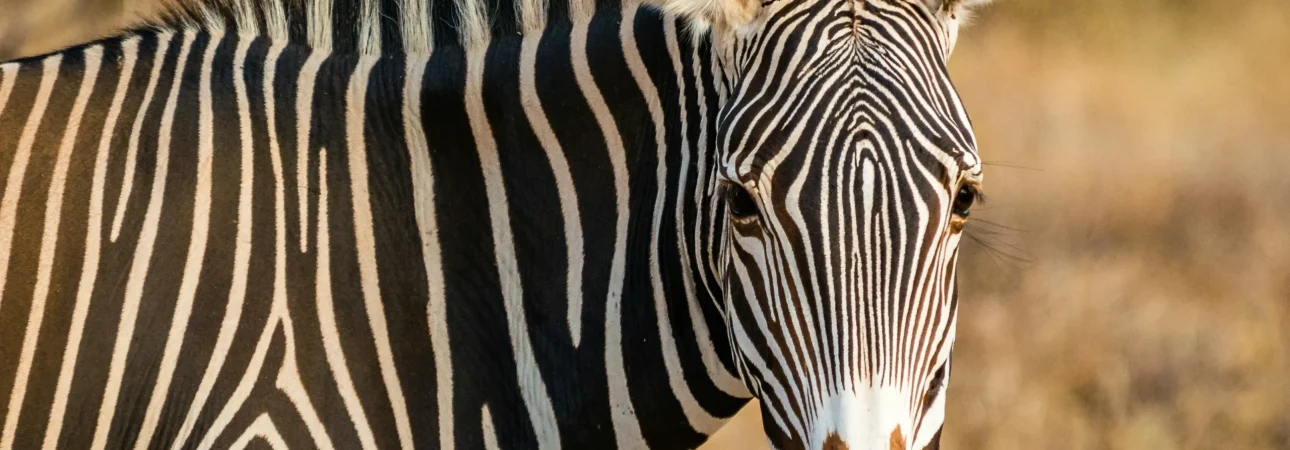
Samburu is famous for its “Special Five” which include the reticulated giraffe, Grevy’s zebra, Somali ostrich, Beisa oryx, and the long-necked gerenuk. These species have evolved to thrive in the dry northern climate. Seeing these animals against the backdrop of red soil and blue mountains is a defining Samburu experience.

The reserve is also a stronghold for elephants, which are often seen bathing and drinking in the river. Big cats, especially leopards, are frequently spotted resting in the shady trees along the water’s edge. The birdlife is equally impressive, with over 450 species ranging from kingfishers to eagles.

Our guides observe that the wildlife here is remarkably resilient. The rhythm of life is dictated entirely by the river, creating a focused and intense viewing experience.

Local Culture Community & Conservation

The Samburu people are the traditional guardians of this land. Their culture is deeply connected to the livestock and the rhythms of the environment. Many lodges work closely with local communities, and guests can visit nearby villages to learn about their traditions, beadwork, and semi-nomadic lifestyle in a respectful and hosted environment.

Conservation in the region is a collaborative effort between the national reserve and surrounding community conservancies. These initiatives help protect vital wildlife corridors and ensure that tourism benefits local people. By visiting, guests contribute to the protection of endangered species like the Grevy’s zebra.

Our experts believe that the best way to experience Samburu culture is to listen and observe. A quiet walk with a local guide often reveals more about the land than any lecture.

Getting There

Most travellers reach Samburu by air or road from Nairobi. Scheduled flights depart from Wilson Airport and take about 45 to 60 minutes. This is the most comfortable and time-efficient option, as it avoids a long day of driving and lands you directly at one of the reserve’s airstrips.

Alternatively, you can travel by road with a private safari guide. The journey takes approximately 5 to 6 hours, passing through the highlands of Mount Kenya and the agricultural hub of Nanyuki. The road is paved for the majority of the trip, offering a scenic look at the changing Kenyan landscapes.

Regardless of how you arrive, your transfers will be managed by experienced drivers. Once you reach the gate or the airstrip, your lodge or safari team will take over to ensure a smooth transition into the reserve.

Signature Experiences & Activities

Riverbank Game Drives

Following the Ewaso Ng'iro River offers the most consistent wildlife sightings as animals come to drink in the early morning and late afternoon.

Tracking the Special Five

Searching for the unique northern species provides a focused objective for drives and helps visitors appreciate the biodiversity of the arid north.

Bush Breakfasts

Enjoying a meal in the open air allows guests to soak in the morning light and the sounds of the bush as the day begins.

Star Gazing

The clear, unpolluted skies of northern Kenya offer exceptional views of the stars and the Milky Way after the sun goes down.

Photography Safaris

The dramatic landscape and unique wildlife patterns provide incredible opportunities for photographers to capture the essence of the northern frontier.

Sundowners at Leopard Rock

Ending the day with a drink at a scenic viewpoint allows for a moment of reflection as the landscape turns golden.

  • Big Five
  • Bird Watching
  • Cultural Activities
  • Scenic Landscapes

Where To Stay

Practical Travel Tips

  • Pack light layers as mornings are cool but daytime temperatures can be very high
  • Wear neutral colours like khaki or beige to blend in with the environment
  • Carry a good pair of binoculars for spotting wildlife across the river
  • Bring high-SPF sunscreen and a wide-brimmed hat for protection against the desert sun
  • Keep some Kenyan shillings for small purchases or tips at the lodges

Who This Destination Suits

  • Couples looking for a quiet and romantic wilderness escape
  • Families wanting a structured safari with unique animal sightings
  • Photographers interested in dramatic light and rare species
  • Repeat safari-goers seeking a different landscape from the southern parks
  • Travellers who enjoy a slower and more intimate pace of exploration

Itinerary Combinations

Frequently Asked Questions

Three nights is usually ideal to explore the different sectors of the reserve and see the Special Five.
Yes, it offers excellent wildlife viewing and a unique landscape that provides a great introduction to Kenya’s diversity.
You can see four of the Big Five here, lion, leopard, elephant, and buffalo—but there are no rhinos within the reserve itself.
info@johnbowtoursandtravel.com
Kenya Cinema Plaza, 3rd Floor Room 3-8. Moi Avenue, Nairobi