Ol Pejeta Conservancy

About This Destination

Ol Pejeta Conservancy is a versatile wildlife sanctuary located on the Laikipia plateau. It is best known for its pioneering conservation work, particularly as the home of the world’s last two northern white rhinos. The conservancy offers a high density of wildlife against the backdrop of Mount Kenya.

The atmosphere is one of active conservation and accessibility. The terrain consists of open grasslands, wooded thickets, and riverine forests along the Ewaso Nyiro River. It feels grounded and purposeful, providing a setting where visitors can see how modern conservation operates in real-time.

This destination suits families, first-time safari-goers, and those interested in specialized wildlife protection. Travellers choose Ol Pejeta for its reliable sightings, varied activities, and the chance to support meaningful environmental initiatives.
Why Visit

Ol Pejeta stands out for its unique blend of wildlife diversity and conservation transparency. Unlike some more remote parks, it offers a highly managed yet authentic safari experience where the Big Five are frequently seen. The conservancy’s distinct character comes from its status as the largest black rhino sanctuary in East Africa and its unique chimpanzee sanctuary.

Travellers love the variety of experiences that go beyond standard game drives. The proximity to Nanyuki makes it one of the most accessible safari destinations from Nairobi, offering great value for those seeking a premium experience without long travel times.

Our guides say this is Kenya’s most educational conservancy, where every drive tells a story of how people and wildlife can thrive together. It offers a sweet spot between adventure and modern convenience.

Key Experiences

  • Visiting the world's last northern white rhinos in their protected enclosure
  • Exploring the Sweetwaters Chimpanzee Sanctuary to see rescued primates
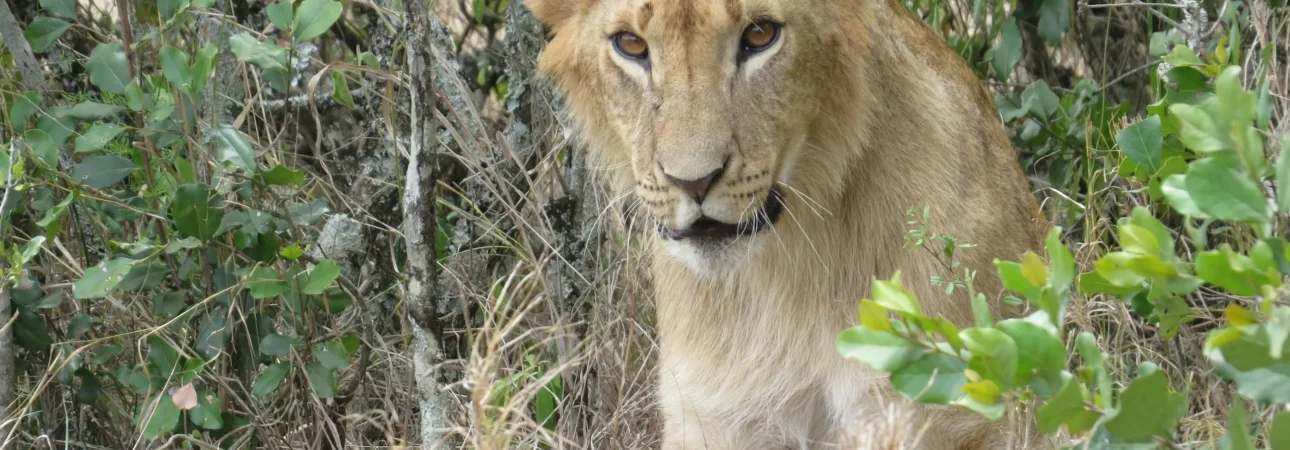
  • Tracking lions with researchers to learn about predator monitoring
  • Watching wildlife congregate at the floodlit waterholes near many camps
  • Taking a night game drive to see nocturnal species like aardvarks and leopards
melissa-van-niekerk-c5Wo87fjbMo-unsplash

Best Time to Visit

The best time to visit Ol Pejeta depends on your preferred experience. The dry seasons from June to October and January to February are best for wildlife viewing as animals gather at permanent water sources. During these months, the grass is short, making it easier to spot rhinos and predators.

The green season from March to May and November to December brings lush landscapes and excellent birdwatching. While afternoon showers occur, the dust is gone and the scenery is vibrant, which photographers often prefer. This period also offers a quieter atmosphere and better value for mid-range travellers.

Wildlife & Nature

Ol Pejeta is a haven for the Big Five—lion, leopard, elephant, buffalo, and rhino. It is particularly famous for its high concentration of black rhinos, often seen grazing on the open plains. You will also find northern specialties like Grevy’s zebra and reticulated giraffe in the drier wooded areas.

The landscape is dominated by whistling thorn acacia scrub and vast grasslands that stretch toward the foothills of Mount Kenya. During the dry season, the Ewaso Nyiro River becomes a focal point for elephants and waterbuck. Our guides note that the predator sightings here are remarkably consistent because of the high density of prey species across the conservancy.

Local Culture Community & Conservation

Conservation is the heart of Ol Pejeta. The conservancy uses a model where profits from tourism are reinvested into wildlife protection and community projects. Visitors can see firsthand how anti-poaching units and K-9 teams operate to keep the rhino populations safe.

The conservancy works closely with surrounding communities to support education, healthcare, and sustainable agriculture. Cultural interactions are hosted by local partners and focus on authentic exchanges that benefit the residents directly. Our experts emphasize that visiting Ol Pejeta is a way to witness a successful balance between livestock ranching and wildlife conservation.

Getting There

Most guests reach Ol Pejeta by road from Nairobi. The drive takes approximately 3 to 4 hours on well-paved roads via Nanyuki town. This route offers views of local farms and the central highlands.

Alternatively, you can take a scheduled flight from Wilson Airport in Nairobi to the Nanyuki airstrip. The flight takes about 45 minutes and provides a scenic perspective of the landscape. From the airstrip, a short road transfer with your guide brings you into the conservancy.

Once inside the conservancy, all movements are handled by experienced safari drivers. They manage the entry logistics and navigate the internal tracks to ensure you reach your lodge comfortably. This combination of air and road travel makes the destination highly accessible.

Signature Experiences & Activities

Rhino Tracking on Foot

Join rangers to track black rhinos across the plains while learning about the intensive security measures used to protect them.

Chimpanzee Sanctuary Visit

Visit the only place in Kenya where you can see chimpanzees, rescued from the black market and living in a large, naturalistic environment.

Lion Tracking

Use telemetry receivers to help locate lions with radio collars, contributing to real-time data collection for the conservancy's research department.

Night Game Drives

Explore the bush after dark with a spotlight to find elusive nocturnal animals such as honey badgers, owls, and hunting cats.

Junior Ranger Program

Children can participate in interactive activities like identifying animal tracks and learning basic bushcraft, earning a certificate at the end.

Morani Information Center

Visit the center to learn about the history of the conservancy and meet Morani, the famous tame black rhino who lived there for many years.

  • Big Five
  • Bird Watching
  • Forest Experience
  • Hiking Trails
  • Scenic Landscapes

Where To Stay

Practical Travel Tips

  • Pack a light jacket or fleece as mornings and evenings on the Laikipia plateau can be quite cold
  • Bring binoculars to get a better view of rhinos and birds from the safety of your vehicle
  • Carry a small amount of Kenyan shillings for tipping and purchasing crafts at the information center
  • Use neutral-coloured clothing like beige or khaki to blend into the environment during guided walks
  • Confirm child policies if traveling with young children as some activities have age restrictions

Who This Destination Suits

  • Families looking for a safe and educational safari with specialized activities for children
  • Rhino enthusiasts who want to see both black and northern white rhinos in one location
  • First-time safari-goers who prefer a destination with high wildlife density and easy logistics
  • Photography groups who enjoy open landscapes and the backdrop of Mount Kenya
  • Travellers on a shorter schedule who want a premium wildlife experience close to Nairobi

Itinerary Combinations

Frequently Asked Questions

Two to three nights are usually enough to experience the major highlights including the rhino and chimpanzee sanctuaries.
Yes, all rhino visits are conducted under the supervision of trained rangers to ensure both guest and animal safety.
Yes, Ol Pejeta is one of the best places in Kenya to see all of the Big Five in a single day.
info@johnbowtoursandtravel.com
Kenya Cinema Plaza, 3rd Floor Room 3-8. Moi Avenue, Nairobi