Tsavo East National Park

About This Destination

Tsavo East is one of the oldest and largest protected areas in Kenya. It is best known for its wide-open spaces and the distinctive red dust that covers its wildlife. The park has a sense of scale that makes you feel the true size of the African wild.

The landscape is mostly flat with dry plains and scattered baobab trees. The Galana River flows through the park, creating a green ribbon of life across the dusty terrain. The atmosphere is quiet, steady, and less touristy than other regions.

This destination is ideal for families, photographers, and those who enjoy long, peaceful drives. It appeals to travelers who want an authentic safari experience without the high price tags of private conservancies
Why Visit

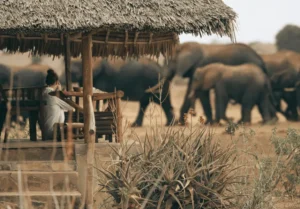
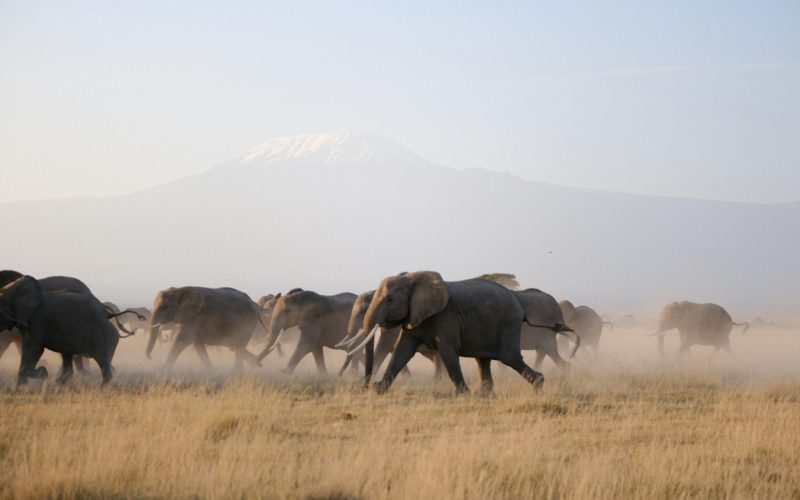
Tsavo East offers a sense of solitude that is hard to find elsewhere. The park is famous for its “red elephants,” which get their color from dusting themselves in the local soil. It is a place where the landscape is as much an attraction as the animals.

Visitors choose this park for its accessibility from the coast and its reliable wildlife sightings. The terrain is open, which makes spotting animals easier. You can see large herds of buffalo and diverse birdlife along the riverbanks.

Our guides say this is a park for those who love the feeling of a big, open horizon. It provides a classic safari atmosphere that feels both historic and wild.

Key Experiences

  • Seeing the red-skinned elephants at the waterholes
  • Watching the sunset over the Yatta Plateau
  • Spotting crocodiles and hippos along the Galana River
  • Exploring the dramatic Lugard Falls
  • Viewing the diverse bird species in the riverine forests
a-p-1pdp-PGplss-unsplash

Best Time to Visit

The dry months from June to October and January to February are the best for seeing wildlife. Animals gather at the rivers and waterholes because the bush is thin. This makes them much easier to find and photograph.

The green season from March to May and November to December brings rain and beautiful scenery. The park turns lush and green, and birdwatching is at its peak. While some roads can be muddy, the park is much quieter and offers great value.

Wildlife & Nature

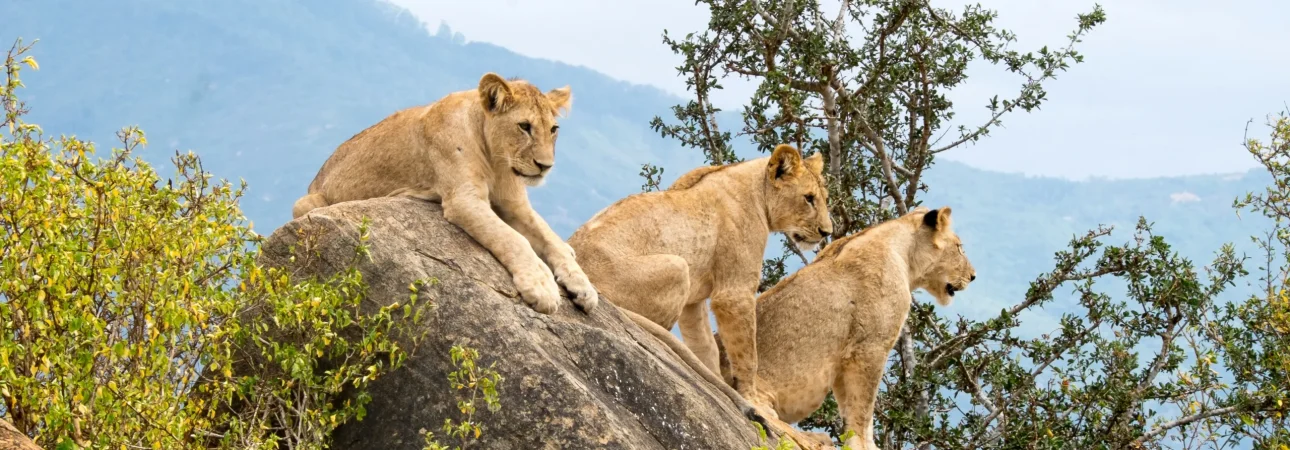
Tsavo East is home to the famous red elephants and large pride of lions. You will also see many buffalos, waterbucks, and giraffes. The park is a stronghold for dry-country species like the hirola and the fringe-eared oryx.

The nature here is defined by the Yatta Plateau, the world’s longest lava flow. The Galana River provides a permanent water source that sustains life throughout the year. The vegetation is mostly bushed grassland, which allows for long-distance views.

Local Culture Community & Conservation

The park plays a vital role in elephant conservation in Kenya. Efforts focus on protecting migration corridors and reducing conflict between humans and wildlife in surrounding areas. Park fees go directly toward these protection measures.

Cultural interactions are respectful and usually take place in communities bordering the park. These visits allow guests to learn about local traditions and how people live alongside the wilderness. Supporting these initiatives helps maintain the balance of the ecosystem.

Getting There

The most common way to reach Tsavo East is by road from Mombasa or Nairobi. The drive from the coast takes about 2 to 3 hours, making it a popular choice for those finishing a beach holiday. From Nairobi, the journey takes around 5 to 6 hours.

The Madaraka Express SGR train is a scenic and convenient option. You can take the train to Voi or Mtito Andei stations. From there, a safari vehicle will meet you for a short drive into the park.

Scheduled flights also operate into various airstrips within the park. This is the fastest way to arrive and offers a beautiful aerial view of the plateau and river. Our team handles all transfers from the airstrips to your lodge.

Signature Experiences & Activities

Game Drives

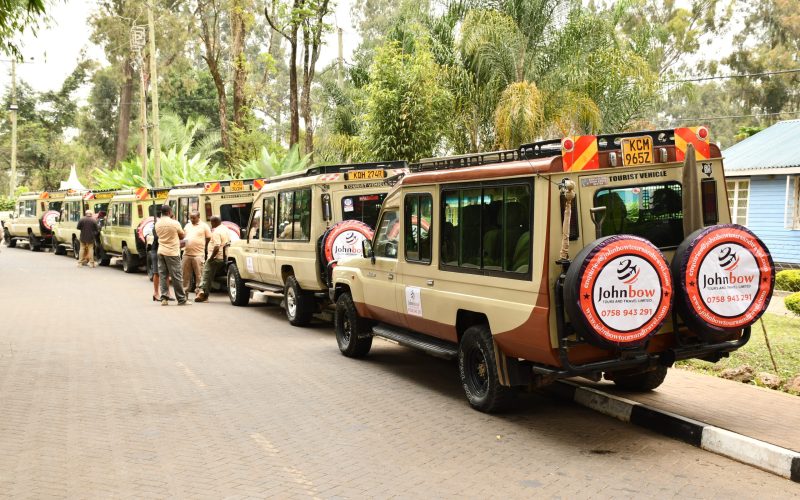
Early morning and late afternoon drives across the plains offer the best chance to see predators and large herds.

Lugard Falls

These rapids on the Galana River show the power of water carving through rock over centuries.

Mudanda Rock

This massive rock outcrop acts as a water catchment and attracts hundreds of elephants to drink at the base.

Aruba Dam

A man-made dam that is a magnet for wildlife and birds, providing excellent viewing opportunities.

Bird Watching

With over 500 recorded species, the park is a vital habitat for migratory and resident birds.

Yatta Plateau Views

Looking out over this ancient volcanic feature provides a sense of the Earth's geological history.

  • Big Five
  • Bird Watching
  • Cultural Activities
  • Hiking Trails
  • Scenic Landscapes

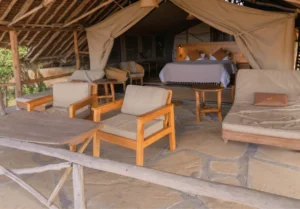
Where To Stay

Practical Travel Tips

  • Wear light and breathable clothing in neutral colors
  • Carry a warm sweater for early morning game drives
  • Bring plenty of water and sun protection for the midday heat
  • Keep a pair of binoculars ready for bird and distant wildlife spotting
  • Have some small Kenyan Shilling notes for tips or local purchases

Who This Destination Suits

  • Families looking for an accessible and educational safari
  • Travelers on a budget who want a true wilderness feel
  • Photographers interested in wide landscapes and red soil colors
  • Couples who prefer a quiet and less crowded park experience
  • Visitors staying at the coast who want a short safari trip

Itinerary Combinations

Frequently Asked Questions

Two to three nights is usually enough to explore the main areas of the park.
Yes, the open terrain and large animals make it very engaging for families.
You can see lion, leopard, elephant, and buffalo, but rhino are very rare in this section.
info@johnbowtoursandtravel.com
Kenya Cinema Plaza, 3rd Floor Room 3-8. Moi Avenue, Nairobi